Selling inherited property: A simple guide for executors
A clear guide to selling inherited property in the UK. Learn about probate, valuations, tax, and your options as an executor.
Inheriting a property often comes at a difficult time. You're grieving, managing paperwork, and suddenly responsible for decisions about a home that isn't yours. If you've been named as an executor, the responsibility of selling inherited property can feel overwhelming.
This guide explains the process in plain English, covering what you need to know about probate, valuations, tax, and your options.
Understanding probate and your legal role
Before you can sell an inherited property, you need legal authority. This comes through probate.
Probate is the legal process that confirms you have the right to deal with the deceased person's estate. You apply for a grant of probate if there is a will. If there is no will, you apply for letters of administration. Both give you the same authority.
You cannot complete a sale until probate is granted. However, you can prepare the property for sale during this time. This includes getting valuations, choosing an estate agent, and addressing any maintenance issues.
As an executor, you have a duty to act in the best interests of the beneficiaries. This means achieving a fair market price, not rushing into a quick sale, and keeping clear records of all decisions.
Getting an accurate valuation
One of your first tasks is establishing the property's value. This matters for several reasons.
The valuation at the date of death determines inheritance tax liability. HM Revenue and Customs may challenge valuations that seem too low, so accuracy is important. You should obtain at least two or three professional valuations from local estate agents.
These valuations also help you understand what the property might sell for. Market conditions vary by area, and local agents understand the nuances of your specific location. Their insights help you set realistic expectations.
If you're unsure about the figures you receive, an online property valuation can provide a useful benchmark. Get a free estimate from Appraised in seconds using local sales data.
Your options: sell, keep, or rent
Selling inherited property is not your only option. Consider what makes most sense for the estate and the beneficiaries.
Selling is often the simplest choice. It converts the property into cash that can be distributed according to the will. This avoids ongoing responsibilities like maintenance, insurance, and council tax.
Keeping the property might suit some situations. Perhaps a beneficiary wants to live there, or the family agrees to retain it as a long-term investment. This requires agreement among all parties and a clear plan for ownership structure.
Renting generates income for the estate but brings landlord responsibilities. You would need to manage tenants, maintenance, and legal compliance. This may not be practical if beneficiaries want to conclude matters quickly.
Discuss these options with the other beneficiaries if possible. Transparency prevents disputes later.
Understanding tax implications
Tax is an unavoidable part of selling inherited property. Understanding the basics helps avoid surprises.
Inheritance tax is calculated on the estate's total value, including the property. The standard threshold is £325,000, with anything above taxed at 40%. There are exceptions and reliefs, particularly if the home passes to direct descendants.
Capital gains tax may apply if the property increases in value between the date of death and the date of sale. As executor, you are responsible for reporting and paying this from the estate. The annual exempt amount applies, but gains above this are taxable.
Keep detailed records of all valuations, sale prices, and related expenses. These support your tax calculations and demonstrate you have fulfilled your duties properly.
Consider speaking to a solicitor or tax adviser if the estate is complex. Their guidance can save money and prevent errors.
Preparing the property for sale
A well-presented property attracts more interest and achieves better prices. You don't need extensive renovations, but some preparation helps.
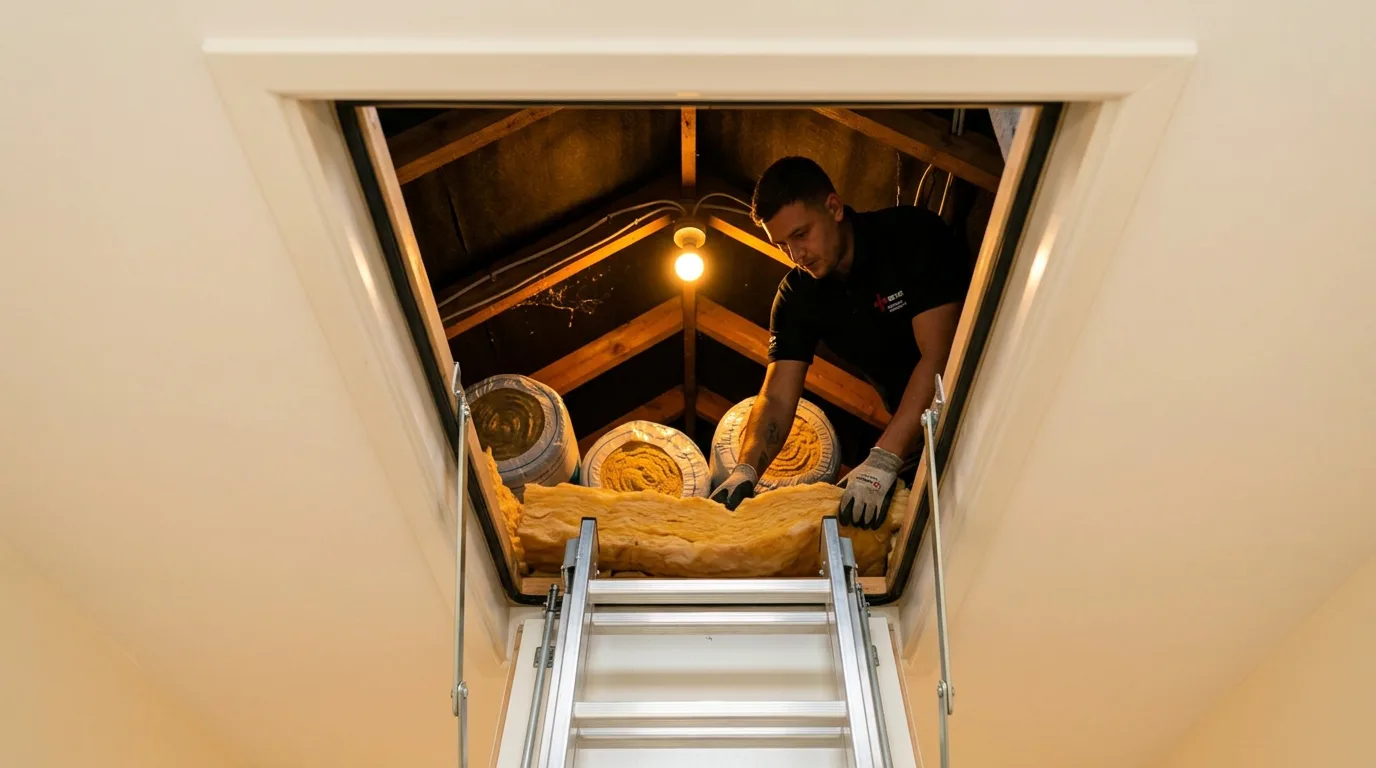
Start by clearing personal belongings. This is often emotional work, so give yourself time. Family members may want certain items, and charities can collect usable furniture. What remains can be removed professionally.
Address obvious maintenance issues. Fix leaks, replace broken fittings, and ensure the property is clean and secure. First impressions matter to potential buyers.
Consider the property's energy performance. An up-to-date EPC is legally required when selling. If the certificate is old, a new assessment might reveal improvements that add value.
Finally, choose your estate agent carefully. Local knowledge matters, and you want someone who understands the market for inherited properties. Be sure to understand estate agent fees before committing. If you're new to selling, our first-time seller's guide covers the full process from listing to completion.
Moving forward with confidence
Selling inherited property involves legal processes, financial decisions, and emotional weight. Take it step by step: secure probate, obtain accurate valuations, understand your tax position, and prepare the property properly.
Your role as executor is to act carefully and in the interests of the beneficiaries. Clear information helps you make the right choices.
If you're dealing with an inherited property and want to understand its value, get a free estimate from Appraised. It takes seconds, and no agents will contact you unless you choose.