EPC Certificates Explained: What Sellers Need to Know in 2026
Energy Performance Certificates are a legal requirement when selling your home. Learn how EPC ratings work, what they cost, and how to improve yours before you sell.
When you decide to sell your home, there is paperwork to sort. One document you cannot skip is your Energy Performance Certificate – commonly known as an EPC. It is a legal requirement, and without one, you cannot legally market your property.
This guide explains everything you need to know about EPCs in 2026. We cover what they are, how the ratings work, what they cost, and how you might improve your score before selling.
What is an Energy Performance Certificate?
An Energy Performance Certificate is a document that shows how energy efficient your property is. It gives your home a rating from A (most efficient) to G (least efficient).
The certificate includes:
- Your property’s current energy costs
- Potential costs if you make recommended improvements
- Suggestions for boosting your rating
- Environmental impact data (CO2 emissions)
EPCs were introduced in England and Wales in 2007 as part of the government’s plan to reduce carbon emissions. They help buyers understand what they are getting into – both in terms of energy bills and environmental impact.
Do you legally need an EPC to sell your home?
Yes. You must have a valid EPC before you market your property for sale. This is not optional – it is the law.
Your estate agent will ask for your EPC certificate before they list your home. If you do not have one, they cannot legally advertise your property. This applies whether you are selling through an estate agent or privately.
There are limited exceptions. Temporary structures and places of worship do not need EPCs. Listed buildings were previously exempt if compliance would unacceptably alter their character or appearance, but the government has confirmed that heritage exemptions are being removed under the new EPC reform proposals – meaning listed buildings will need EPCs too.
For the vast majority of homes, you need one.
If you are selling your home for the first time, this might be new information. Many first-time sellers assume their estate agent handles everything. In reality, you are responsible for providing a valid EPC.
How do EPC ratings work?
EPC ratings run from A to G. Think of it like an energy report card for your home.
- A and B – Highly efficient. Modern homes with good insulation and efficient heating.
- C – Above average. Many newer properties fall into this bracket.
- D – Average. This is where most UK homes currently sit.
- E, F, and G – Below average. Older properties with poor insulation and inefficient heating.
The rating is calculated based on several factors:
- Wall, floor, and roof insulation
- Window glazing (single, double, or triple)
- Heating system efficiency
- Hot water system
- Lighting
- Renewable energy sources (solar panels, etc.)
Your EPC will show two ratings. The first is your current score. The second shows your potential rating if you make the recommended improvements.
What is the average EPC rating in the UK?
The average UK property is rated D. This has been the case for several years, though ratings are gradually improving as homeowners upgrade their properties.
New-build homes typically achieve B or C ratings. Older properties – especially those built before 1919 – often fall into the E to G range.
The government has confirmed that all private rented homes in England must achieve a minimum EPC rating of C by 1 October 2030, with penalties of up to £30,000 per breach for landlords. While this does not yet apply to owner-occupier sales, it signals the direction of travel and could influence buyer expectations.
How does your EPC rating affect property value?
Your EPC rating can influence how much buyers are willing to pay. Energy-efficient homes are increasingly attractive, and buyers factor running costs into their decisions.
Properties with A or B ratings often sell faster and for more money. Buyers know they will face lower energy bills, which is especially appealing given the cost of living.
Conversely, homes with poor ratings (E, F, or G) can be harder to sell. Buyers may factor in the cost of improvements or simply look elsewhere.
If you have inherited a property and are selling an inherited home, check the EPC early. Older inherited properties often have poor ratings, and addressing this before listing can make a real difference to your property’s value.
What improvements can boost your EPC rating?
You do not need a full renovation to improve your EPC. Some changes are relatively simple and affordable.
Low-cost improvements:
- Switch to LED light bulbs throughout your home
- Add draught excluders to doors and windows
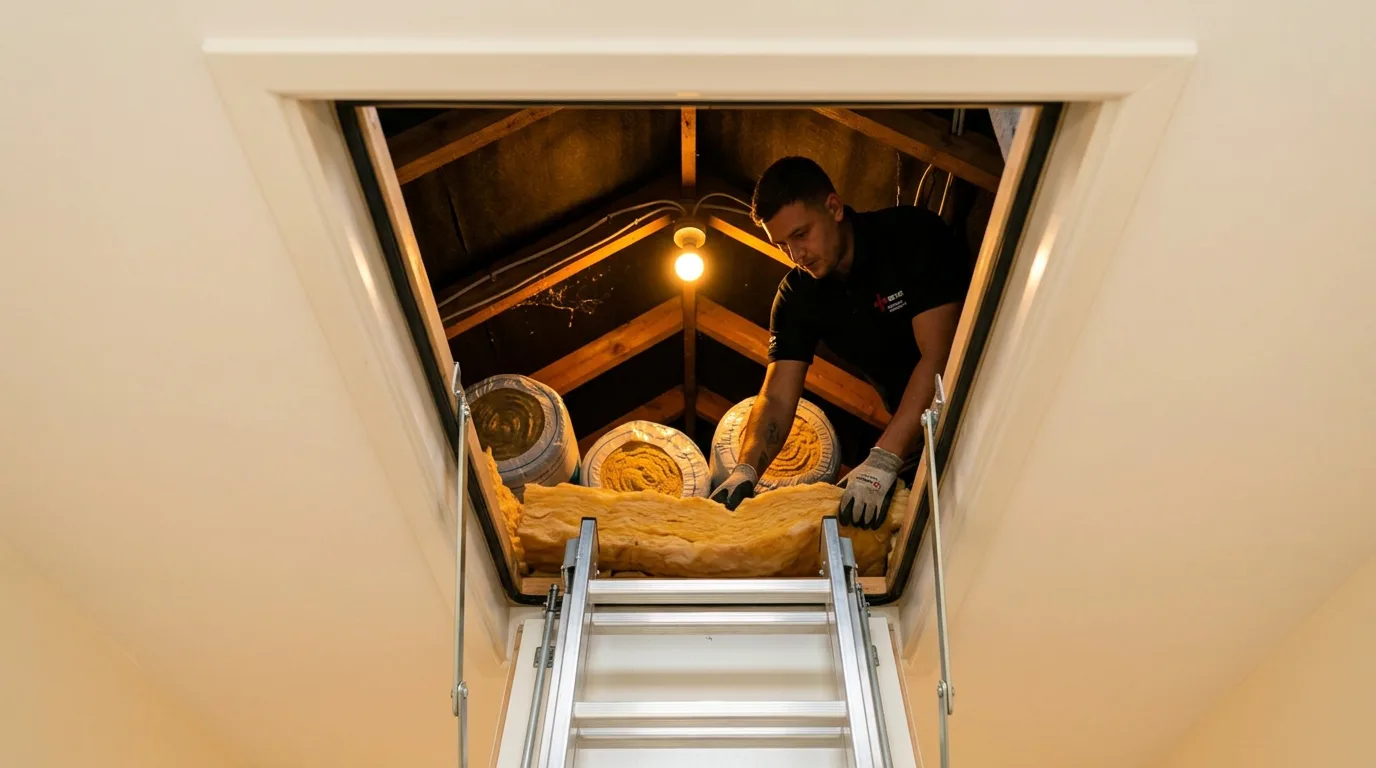
- Top up loft insulation to 270mm
- Fit a hot water cylinder jacket
- Install thermostatic radiator valves
Medium-cost improvements:
- Upgrade to double or triple glazing
- Add cavity wall insulation
- Replace an old boiler with a modern, efficient model
Higher-cost improvements:
- Install solar panels
- Add solid wall insulation
- Fit an air source heat pump
Not all improvements will be suitable for every property. Your EPC assessor can advise on what would work best for your home. If you are preparing your home for sale, even small EPC improvements can make your listing more appealing.
How much does an EPC cost and how long is it valid?
An EPC costs between £60 and £120. The price depends on your location and the size of your property. Larger homes take longer to assess, so they cost more.
Your EPC is valid for 10 years. If you had one done recently, check whether it is still current. You can look up any property’s EPC on the government EPC register for free.
If your EPC has expired, you will need a new one before marketing your home. You only need one certificate per property – it covers the building, not the owner.
What happens if you sell without a valid EPC?
Selling without a valid EPC is against the law. Here is what could happen:
- Your estate agent cannot legally market your property
- You face a fixed penalty of £200 (rising to £5,000 from 2030 under new government proposals)
- Buyers may be put off by the lack of documentation
- The sale could be delayed while you sort it out
The process to get an EPC is straightforward. A qualified assessor visits your property, conducts a survey, and produces your certificate. Most assessors can visit within a few days, and you receive your certificate within 24 to 48 hours.
Final thoughts
Your Energy Performance Certificate is more than a box-ticking exercise. It gives buyers valuable information about your home and can affect how quickly you sell – and for how much.
If your rating is below average, consider making some improvements before listing. Even small changes can boost your score and make your property more appealing.
Check your current EPC status today. If it is valid, you are ready to go. If it has expired – or you have never had one – book an assessment soon. It is a small investment that keeps your sale on track.
Thinking about selling? Understanding your property’s value is the first step. Get a free, instant valuation from Appraised to see what your home could be worth in today’s market.