Preparing Your Home for Sale: Practical Tips That Actually Work
Proven, budget-friendly ways to prepare your home for sale. From kerb appeal to viewing day, these practical tips help you attract buyers and achieve the best price.
The way you present your property can make the difference between a quick sale at a strong price and months on the market with little interest.
Data from the Home Staging Association shows that well-presented homes sell up to 65% faster than comparable unstaged properties, and can achieve 8-10% more on the final sale price. On a £300,000 home, that’s an extra £24,000 to £30,000.
The good news is that you don’t need a big budget to make a real difference. This guide covers practical, proven steps that help your home appeal to buyers. None require professional help or major investment.
First impressions matter: kerb appeal
Research from ESPC suggests buyers typically decide within eight minutes whether a property suits them. That judgement starts before they step through the front door.
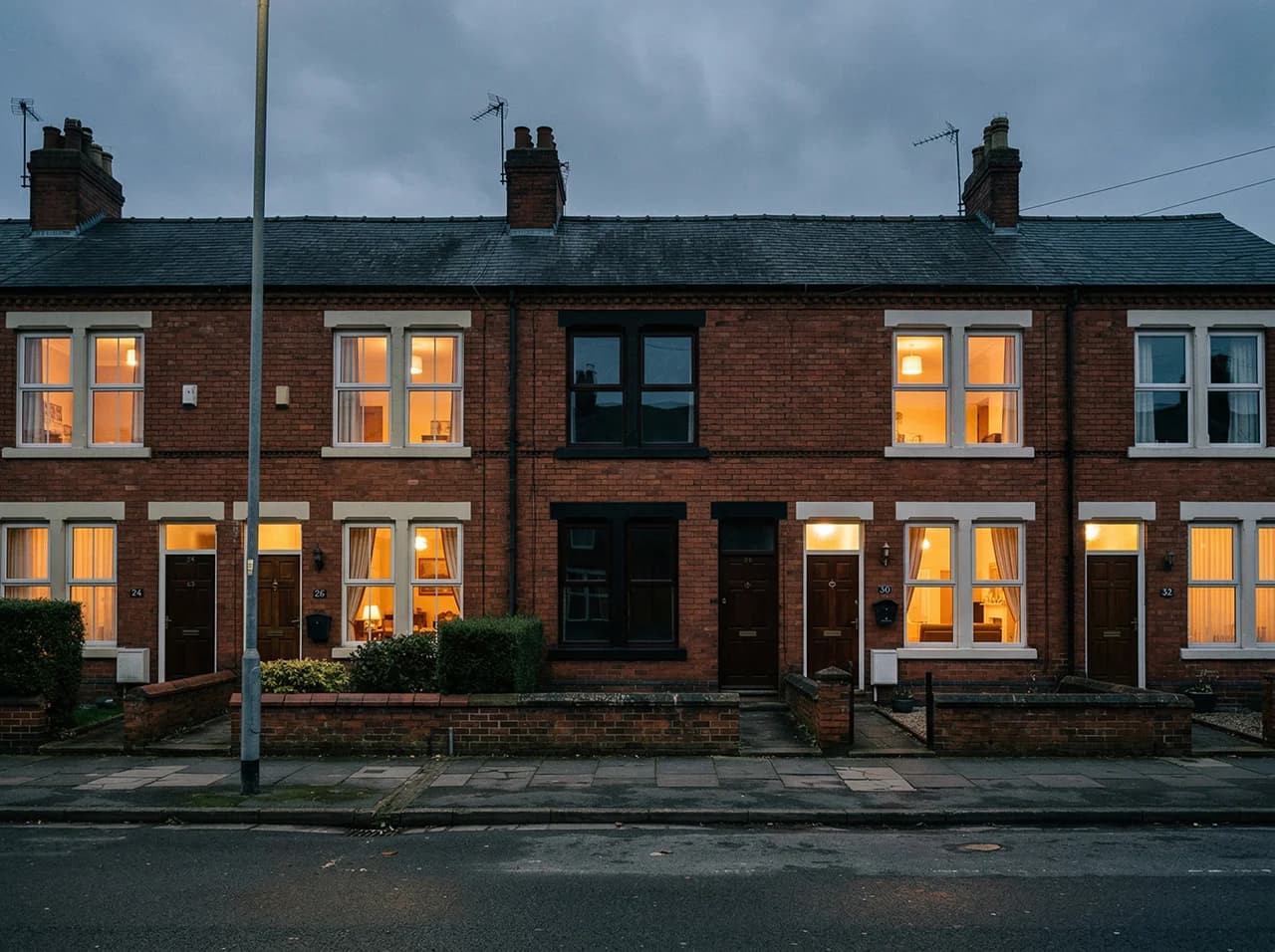
Start with the basics. Mow the lawn, trim hedges, and clear pathways of weeds. Clean windows inside and out. These simple tasks cost nothing but transform how your home looks from the street.
Focus on your front door. A fresh coat of paint in a neutral colour makes an immediate impact. Polish or replace door furniture. Fix any broken bells or lights. A painted front door with new hardware costs under £100 but creates an excellent first impression.
Clear the frontage. Move bins, children’s toys, and garden clutter out of sight. Park cars elsewhere if possible so buyers can see the full property. Add a pot plant or two by the entrance for a welcoming touch.
Decluttering and depersonalising
Buyers need to imagine themselves living in your home. That’s difficult when every surface displays personal belongings and family photographs.
Start with a ruthless declutter. Remove anything you don’t use daily. Pack away ornaments, excess furniture, and personal items. You’re moving anyway, so consider this early packing.
Kitchen: Clear worktops completely. Store small appliances in cupboards. Remove fridge magnets and children’s artwork. The kitchen should feel spacious and functional.
Bedrooms: Clear dressing tables and minimise wardrobe contents. A half-empty wardrobe looks larger than a full one. Remove under-bed storage if possible.
Depersonalising doesn’t mean making your home sterile. It means creating a blank canvas where buyers can project their own lives. Keep some neutral decorative items, but remove anything that reflects your specific taste or identity.
Deep cleaning checklist
A clean home signals that the property has been well maintained. Buyers notice dirt, grime, and odours immediately. Deep cleaning is essential before any viewings.
Focus on these areas:
- Kitchen: Clean inside all cupboards and appliances. Degrease the hob and extractor fan. Polish taps and handles until they shine.
- Bathrooms: Remove limescale from taps and shower screens. Re-grout if necessary. Bleach sealant and replace any that’s mouldy.
- Windows: Clean inside and out. Dust blinds and wash curtains.
- Floors: Shampoo carpets and polish hard floors. Pay attention to corners and skirting boards.
- Throughout: Dust light fittings, door frames, and radiators. Clean light switches and plug sockets.
Don’t mask odours with air fresheners. Eliminate the source instead. Empty bins, wash pet bedding, and air rooms thoroughly. Fresh air is the best fragrance for selling.
Minor repairs that make a difference
Buyers notice the small things you’ve learned to live with. A dripping tap, a loose handle, or a cracked tile suggests wider maintenance issues. These minor repairs take little time but have significant impact.
Walk through your home with a critical eye. Make a list of everything that needs attention, then work through it methodically.
- Fix dripping taps and running toilets
- Replace broken tiles and cracked sockets
- Fill holes in walls and touch up paintwork
- Tighten loose door handles and cupboard hinges
- Replace blown light bulbs throughout
- Ensure every switch works properly
- Test smoke detectors and replace batteries
If you’re not handy, hire a local handyman for a day. The cost is modest compared to the impression these fixes create.
Staging tips room by room
Staging means arranging each room to show its purpose and potential. You’re not trying to create a show home. You’re helping buyers see how they could use the space.
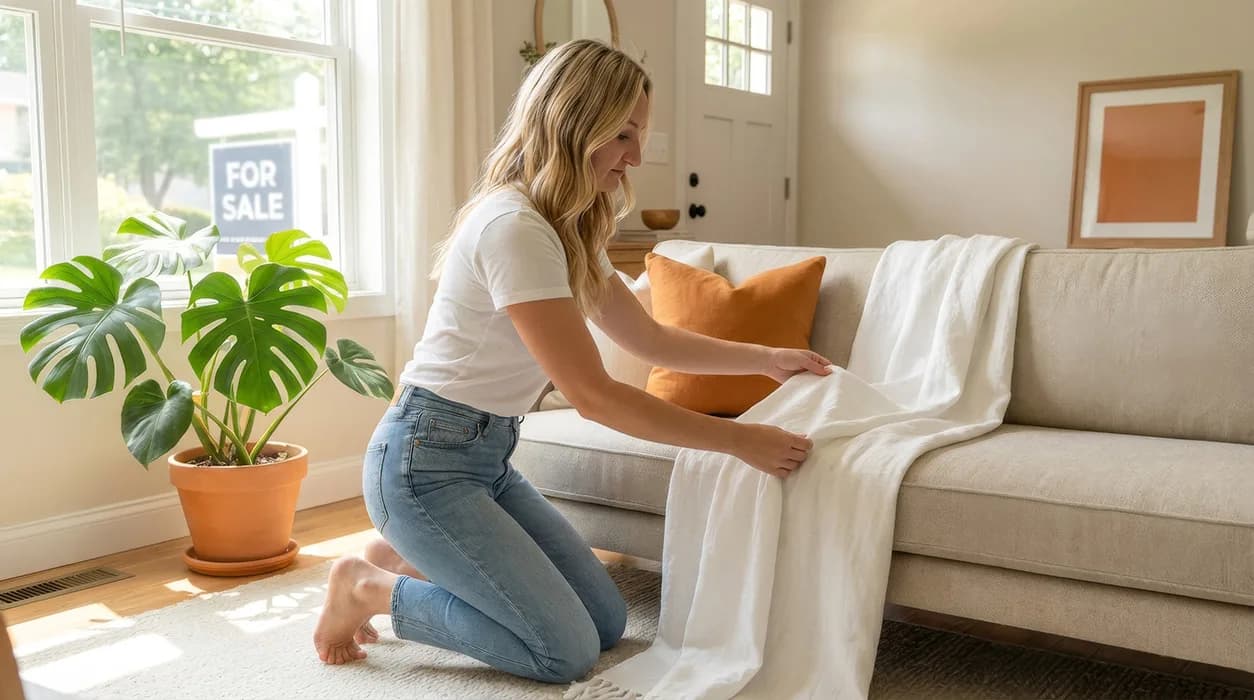
Living room: Arrange furniture to create conversation areas. Remove excess pieces that make the room feel crowded. Add cushions and a throw for warmth. Ensure the room is well-lit with lamps if natural light is limited.
Kitchen: Clear all worktops except perhaps a coffee machine or attractive fruit bowl. Set the table simply if space allows. This helps buyers imagine family meals and entertaining.
Bedrooms: Make beds with fresh, neutral linen. Position beds to maximise floor space. Ensure bedside tables are clear except for a lamp. Remove anything stored under beds.
Bathrooms: Display fresh white towels. Remove all personal toiletries. Add a plant or fresh flowers if space allows. Ensure the room smells clean, not perfumed.
Garden: Cut the grass, tidy borders, and clean patios. Arrange outdoor furniture attractively. A well-presented garden adds significant perceived value.
Photography preparation
Most buyers first see your home through online photographs. Poor photos reduce viewings regardless of how good your home looks in person. Prepare thoroughly before the photographer arrives.
Clean every room the day before. Remove all clutter and personal items. Open all curtains and blinds to maximise natural light. Turn on all lights, even during the day.
Remove cars from the driveway. Clear washing lines and wheelie bins from exterior shots. Mow the lawn and tidy the garden.
The photographer will guide the actual shots, but your preparation determines the quality of the results. Properties with high-quality photography attract 47% more viewing requests than those with poor images.
Viewing day preparation
When viewings begin, preparation becomes a daily routine. You never know when a buyer might want to visit, so keeping your home ready is essential.
Before each viewing:
- Open all curtains and turn on lights
- Air the rooms by opening windows for ten minutes
- Remove any post or personal items that have accumulated
- Set the temperature comfortably (a cold home feels unwelcoming, a stuffy home feels oppressive)
- Leave the property if possible (buyers feel more comfortable discussing the home honestly when the owner isn’t present)
If you must stay, be polite but unobtrusive. Let buyers explore without following them around. Answer questions honestly but briefly. Your estate agent can handle feedback and negotiations.
What NOT to do: over-improving
There’s a difference between preparation and major improvement. Some sellers spend thousands on renovations that don’t increase sale value. This is money you won’t recover.
Don’t replace a functional kitchen just before selling. The new owners may want something different entirely. Clean and declutter instead. The same applies to bathrooms.
Don’t install new flooring throughout unless what exists is genuinely poor. Clean carpets and polish wooden floors instead. These present well without major expense.
Skip the loft conversion or extension you’ve been considering. These projects take months and rarely return full value on immediate sale. Focus on presentation, not construction.
The exception is when something is genuinely broken or unsafe. These issues must be addressed. But cosmetic improvements should be modest and cost-effective.
Budget-friendly improvements with best ROI
Some inexpensive improvements deliver significant returns. Focus your efforts and budget on these high-impact areas.
Paintwork: Fresh paint in neutral colours transforms tired rooms. White or off-white walls make spaces feel larger and brighter. This is consistently one of the most cost-effective improvements you can make.
Lighting: Replace dated light fittings with modern, inexpensive alternatives. Add lamps to dark corners. Good lighting makes rooms feel welcoming and spacious.
Hardware: Replace cupboard handles, door knobs, and taps if they’re dated or worn. These small updates modernise kitchens and bathrooms without major expense.
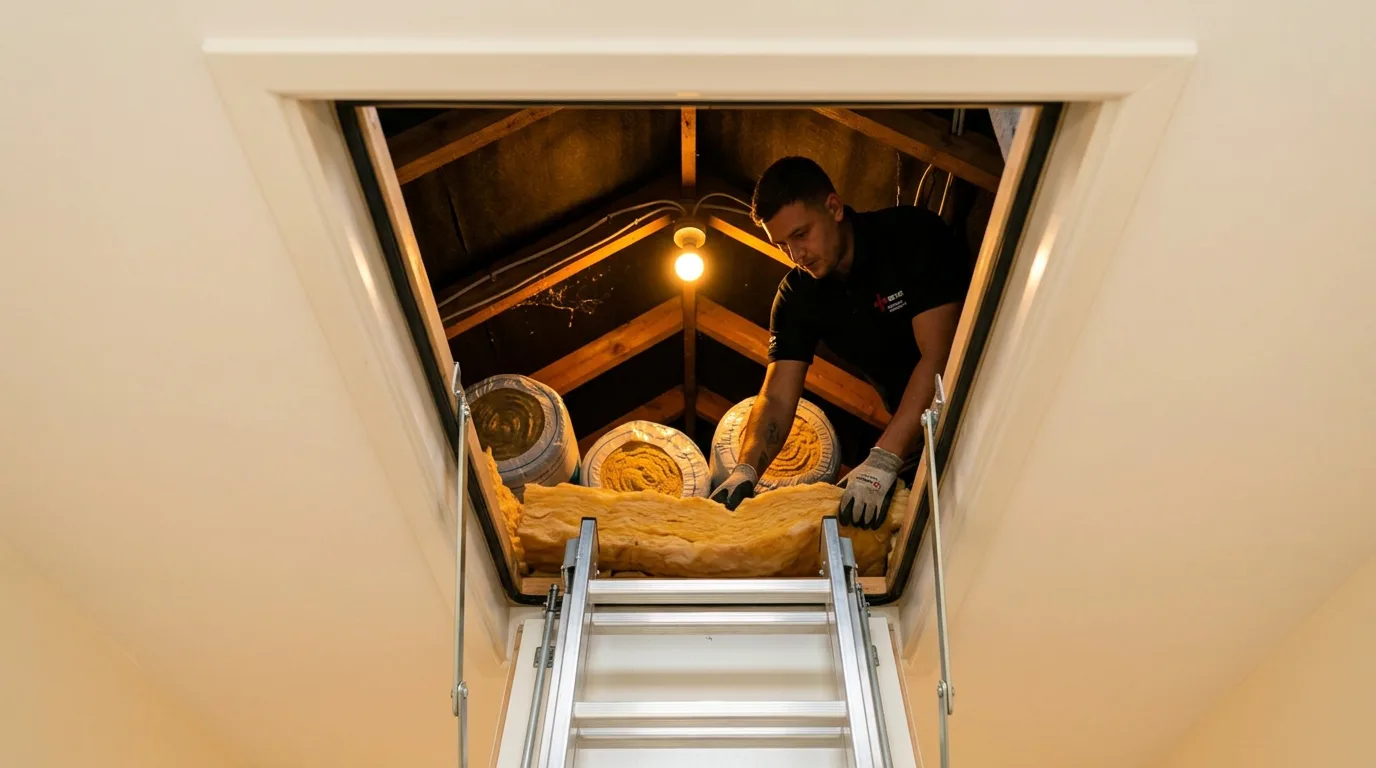
Energy efficiency: Simple improvements like draught-proofing, LED bulbs, and updated heating controls reassure buyers about running costs. If your EPC rating is low, even modest upgrades can move you up a band.
Garden tidying: Mowing, weeding, and basic planting costs little but transforms outdoor spaces. A tidy garden suggests a well-maintained property throughout.
Essential paperwork to gather early
Before your property goes on the market, gather these documents. Missing paperwork is one of the most common causes of delays in the selling process.
- EPC certificate (valid for 10 years, costs £60-£120 if you need a new one)
- Title deeds from HM Land Registry
- Planning permissions and building regulations certificates for any work done
- Guarantees for damp-proofing, timber treatment, double glazing, boiler servicing
- Gas and electrical safety certificates
- Management company details and service charge history for flats
Having these ready prevents delays once you accept an offer and the conveyancing process begins.
Timing your preparation
When you list matters. Spring listings attract buyers around 20% faster than summer listings. The market typically strengthens from March through May.
Properties priced correctly from day one sell 2.4 times faster than those that start too high and reduce later. This is where an accurate valuation becomes essential. Getting multiple agent valuations helps you set the right price from the start.
If you’re selling for the first time, take extra time with preparation. First-time sellers often underestimate how much presentation matters. The effort you invest directly affects your sale price and speed.
The bottom line
Preparing your home for sale isn’t about deception. It’s about presenting your property at its best so buyers can see its true value. The data is clear: well-presented homes sell faster, attract more offers, and achieve higher prices.
Start with kerb appeal and work through each room methodically. Declutter, clean, and make minor repairs. Stage each space to show its potential. Prepare thoroughly for photography and viewings. Avoid expensive renovations that you won’t recover.
If you’re considering selling and want to understand your home’s current market value, get a free estimate from Appraised based on actual sold prices in your area. It takes under a minute, and no agents will contact you unless you choose.