When is the best time to sell your house in the UK?
Seasonal patterns, market conditions, and your personal situation all affect timing. Here's what to consider when planning your sale.
Timing matters when selling a home. Seasonal patterns, market conditions, and your personal circumstances all play a part in getting the best outcome.
This guide explains what actually affects timing, so you can plan with confidence.
Seasonal patterns in the UK property market
The UK property market follows a predictable rhythm throughout the year.
Spring (March to May)
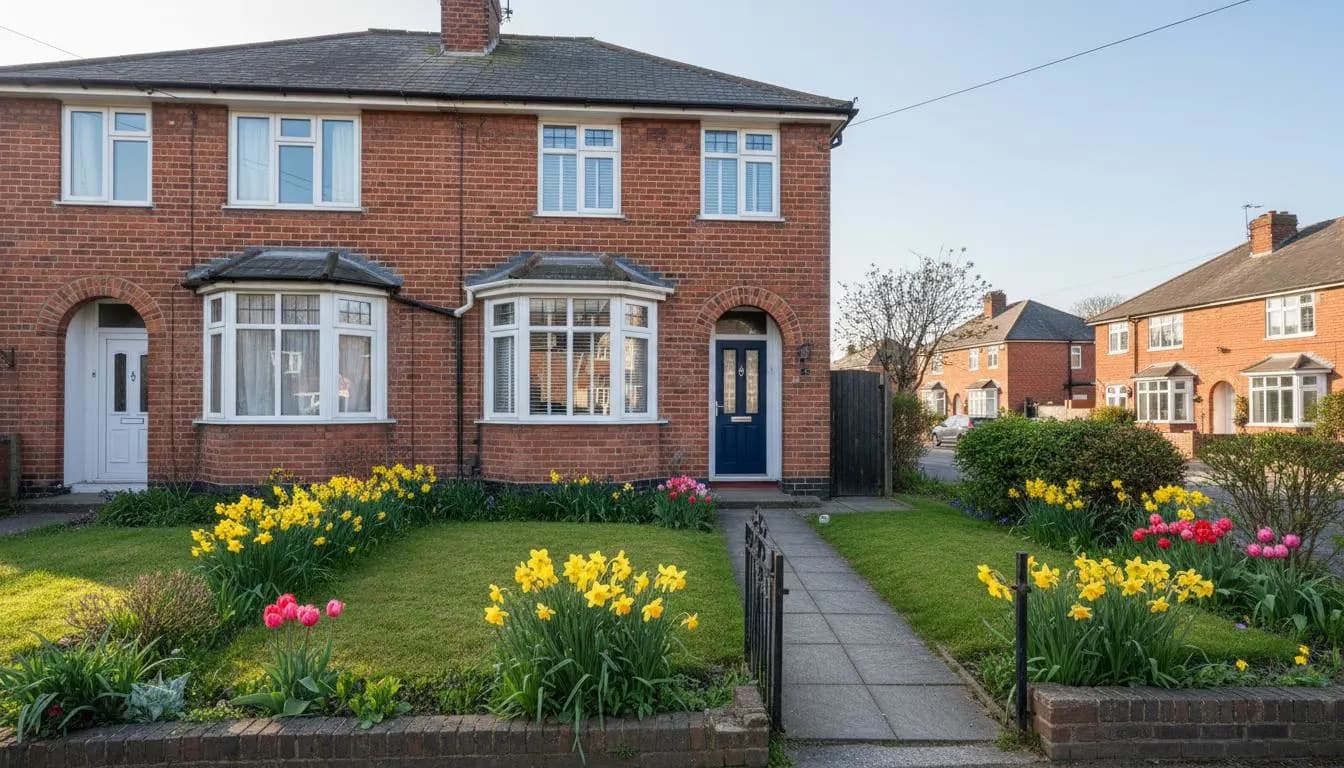
Spring is traditionally the busiest season. Gardens look their best, daylight hours are longer, and families aim to move before the new school year. More buyers are active, which typically means more viewings and stronger offers.
Summer (June to August)
Activity often slows in midsummer as school holidays and family trips take priority. August can be particularly quiet. That said, buyers who are active during summer tend to be serious, and there's less competition from other sellers.
Autumn (September to November)
September brings a fresh wave of buyers returning from holidays and refocusing on property searches. This secondary peak can be an excellent window, especially in early autumn before the market quietens for Christmas.
Winter (December to February)
Winter is the quietest period. Cold weather, short days, and festive spending keep many buyers at home. However, winter buyers tend to be highly motivated. If someone is viewing properties in January, they usually mean business.
Market conditions often matter more than the month
Seasonal trends are useful, but broader market conditions frequently have a bigger impact than the time of year.
Interest rates
When rates are low, borrowing is cheaper and buyer demand typically rises. When rates climb, some buyers pause their search. Keep an eye on Bank of England announcements if you have flexibility on timing.
Local market trends
National headlines don't always reflect what's happening in your area. Some neighbourhoods remain busy while others slow down. Checking recent sold prices near you gives a clearer picture than national averages.
Supply and demand
In a seller's market, where demand outstrips supply, you may achieve a better price regardless of season. In a buyer's market, patience and flexibility can help.
Your personal circumstances come first
External timing is one factor, but your own situation matters just as much.
Financial readiness
Have you calculated your moving costs? Estate agent fees, conveyancing, stamp duty on your next purchase, and removal costs all add up. Being financially prepared makes the process smoother.
Emotional readiness
Selling a home is a significant decision. Knowing where you want to go next and having a clear plan leads to better outcomes than rushing based on market timing alone.
Practical constraints
Job relocations, school terms, family changes, or probate timelines may dictate your schedule. These are valid reasons to sell at less "ideal" times. The right time is the one that works for your situation.
How to prepare when you have flexibility
If your timing is flexible, a little preparation goes a long way.
Get your paperwork in order
Gather title deeds, energy performance certificates, and any planning permissions. Having these ready speeds up the process once you list.
Research your local market
Look at recently sold properties similar to yours. This gives you a realistic sense of pricing and demand. An online property valuation based on local sales data can help build your picture.
Speak to agents early
Even if you're months away from listing, conversations with local agents help you understand current conditions and what buyers are looking for.
Plan your next move
Know where you want to go before you sell. Whether you're buying, renting, or relocating, having a plan reduces uncertainty and strengthens your negotiating position.
Finding your best time to sell
There's no universal "best time", only the best time for your situation. Spring offers activity. Winter offers motivated buyers. Market conditions shift. Your circumstances matter most.
The key is understanding your options, preparing properly, and moving forward when the time is right for you.
Curious about your home's current value? Get a free estimate based on recent local sales.