First time selling a house? Here's what to expect
Selling your first home? Learn what to expect at each stage, from valuation to completion, with clear, practical guidance.
Selling a home for the first time can feel unfamiliar. You have questions about the process, the timeline, and what you need to do. This guide explains what happens when you sell for the first time, so you feel prepared at every stage.
Getting your home valued
The first step is understanding what your property is worth. This helps you set a realistic asking price and plan your next move.
You have a few options for valuations:
- Estate agent valuations: Most agents offer free valuations. They'll visit your home, assess its condition and location, and suggest a price based on recent sales nearby.
- Online estimates: These give you an instant figure based on market data. They're useful for getting a quick sense of value before speaking to anyone. Learn more about online property valuations or get a free estimate from Appraised in seconds.
- Professional surveyor valuations: These are more detailed and often used for probate or tax purposes. They cost more but provide a formal report.
For your first sale, an estate agent valuation combined with an online estimate gives you a solid starting point. You don't need to commit to an agent just because they valued your home.
Choosing how to sell
Once you know your home's value, you decide how to sell it. Each route has different implications for cost, control, and effort.
Traditional high street agents handle most of the work. They market your property, conduct viewings, negotiate offers, and progress the sale. You pay a commission when the sale completes, typically between 1% and 3% of the sale price.
Online agents charge lower fees, often upfront. They list your property on major portals but may offer less hands-on support. You might handle viewings and negotiations yourself.
Private sales mean you do everything: marketing, viewings, and legal coordination. This saves on fees but requires significant time and effort.
Most first-time sellers choose a traditional agent. The support is valuable when you're unfamiliar with the process.
Preparing your home for sale
First impressions matter. Before listing your property, spend time making it presentable.
Start with decluttering. Clear surfaces, tidy cupboards, and remove personal items. Buyers want to imagine themselves living there, not see your life on display.
Address minor repairs. Fix dripping taps, loose handles, and cracked tiles. These small issues can make buyers wonder what else needs attention.
Consider a deep clean. Clean windows, carpets, and kitchens make a noticeable difference. If your budget allows, professional cleaning and staging can help.
Finally, gather important documents. You'll need your Energy Performance Certificate (EPC), property deeds, and details of any work done on the home. Having these ready speeds up the process later.
Understanding the selling process
When you're selling for the first time, the sequence of events can seem unclear. Here's what typically happens:
- Instruct your agent: Sign an agreement and agree on your asking price.
- Marketing begins: Your agent lists the property on portals like Rightmove and Zoopla. Professional photos and descriptions are essential.
- Viewings: Interested buyers visit your home. Your agent usually handles these.
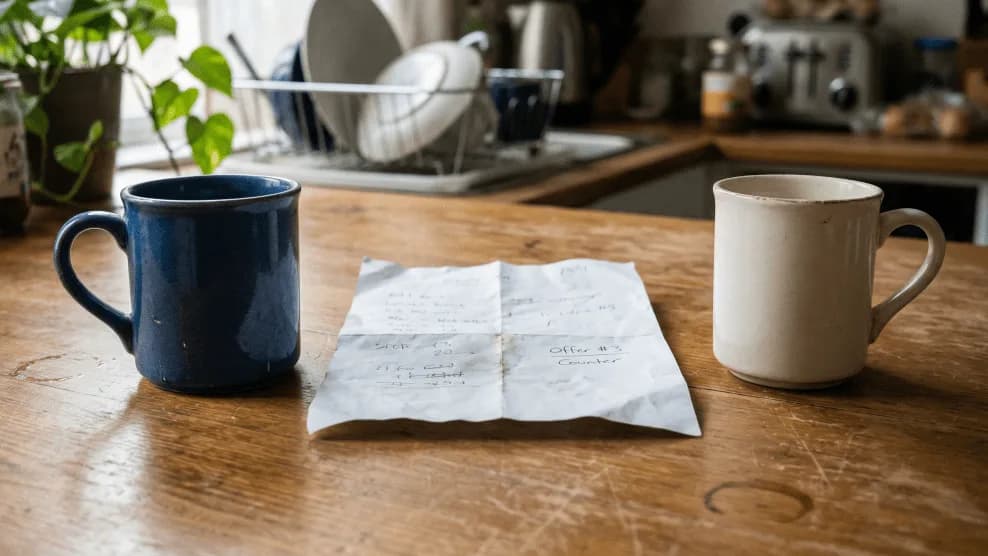
- Offers: Buyers submit offers through your agent. You can accept, reject, or negotiate.
- Accept an offer: Once accepted, the buyer pays a holding deposit and begins their mortgage application.
- Conveyancing: Solicitors handle the legal transfer. This includes searches, contract drafting, and enquiries.
- Exchange contracts: Both parties sign, and the buyer pays a deposit. The sale becomes legally binding.
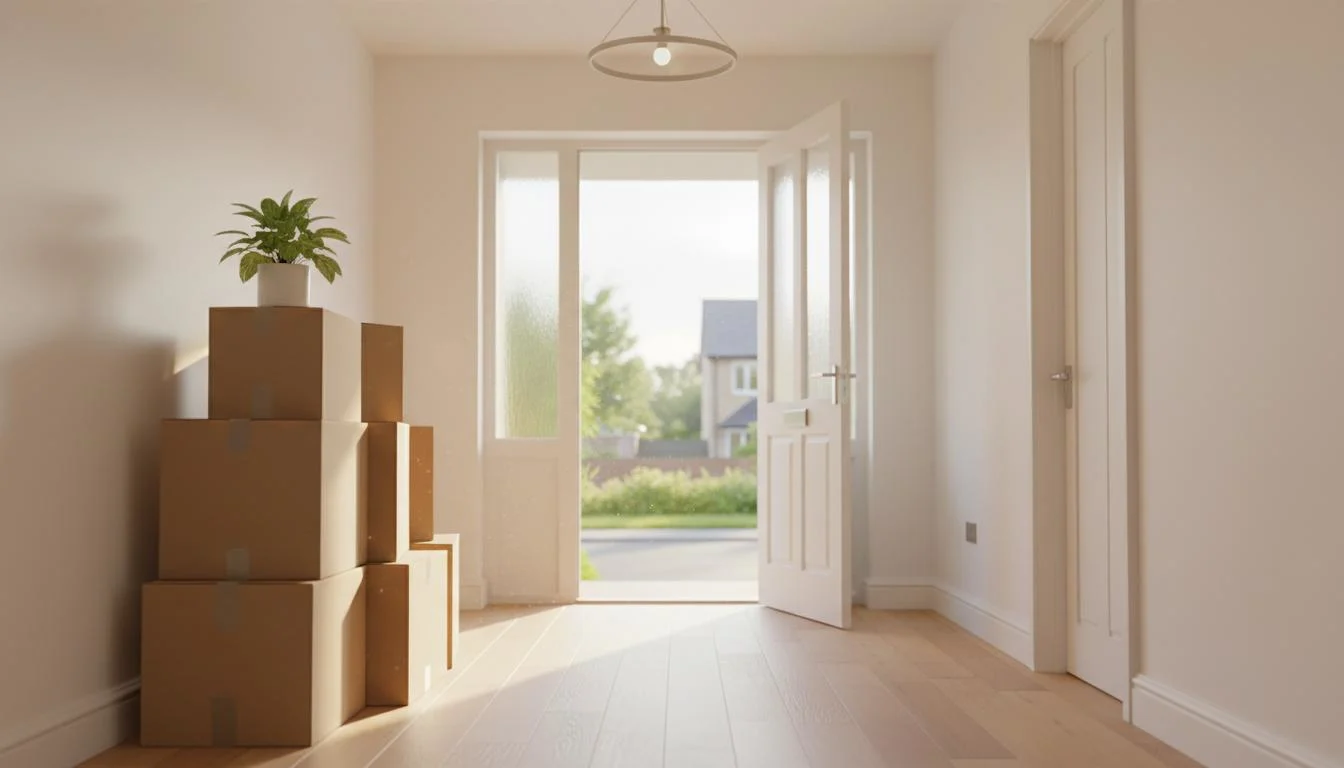
- Completion: Funds transfer, keys are handed over, and the property officially changes hands.
This process typically takes 12 to 20 weeks from accepting an offer, though it can vary. If you're wondering about the best time to list your property, seasonal patterns and market conditions both play a role.
Managing costs and expectations
Selling a home involves several costs. Understanding these upfront helps you budget properly.
Estate agent fees: Usually a percentage of the sale price, paid on completion.
Conveyancing fees: Your solicitor handles the legal work. Expect to pay £500 to £1,500 depending on complexity.
EPC: Required by law. Costs around £60 to £120 if you don't have a valid certificate.
Removal costs: Vary based on distance and volume. Get quotes from several companies.
Potential extras: You might pay for repairs, staging, or storage to prepare your home.
Set realistic expectations about timescales. The average sale takes several months from listing to completion. Delays can happen: buyers pulling out, chain issues, or survey problems. Stay flexible and keep communication open with your agent and solicitor.
Taking the first step
Selling for the first time is a significant step, but it doesn't need to be overwhelming. Understanding the process, from valuation through to completion, puts you in control. Take time to prepare your home, choose the right selling method, and budget for the costs involved.
Want to understand your home's current value? Get a free estimate from Appraised. It takes seconds, and no agents will contact you unless you choose.